Wisdom teeth, technically known as third molars, are the final set of teeth to emerge, typically making their appearance between the ages of 17 and 25. By this stage of development, the jaw has often reached its adult size, and in many individuals, there simply isn’t adequate space at the back of the mouth to accommodate these late arrivals. This lack of room can lead to a variety of dental problems. Wisdom teeth may become impacted, meaning they are trapped beneath the gum line or only partially erupt. This can cause significant pain, recurrent infections (pericoronitis) in the overlying gum tissue, the formation of cysts or tumours, damage to adjacent teeth, and contribute to the crowding or shifting of other teeth, potentially undoing previous orthodontic work.
At Bolsover Dental Practice, we offer safe and effective wisdom tooth extraction procedures designed to prevent these potential issues or alleviate existing discomfort. Our experienced dental team utilises advanced diagnostic tools, modern surgical techniques, and appropriate anaesthetic options to ensure your comfort is prioritised and to minimise any potential complications throughout the process. We are committed to making your experience as smooth and stress-free as possible.
Comprehensive Assessment: Planning for Your Oral Health
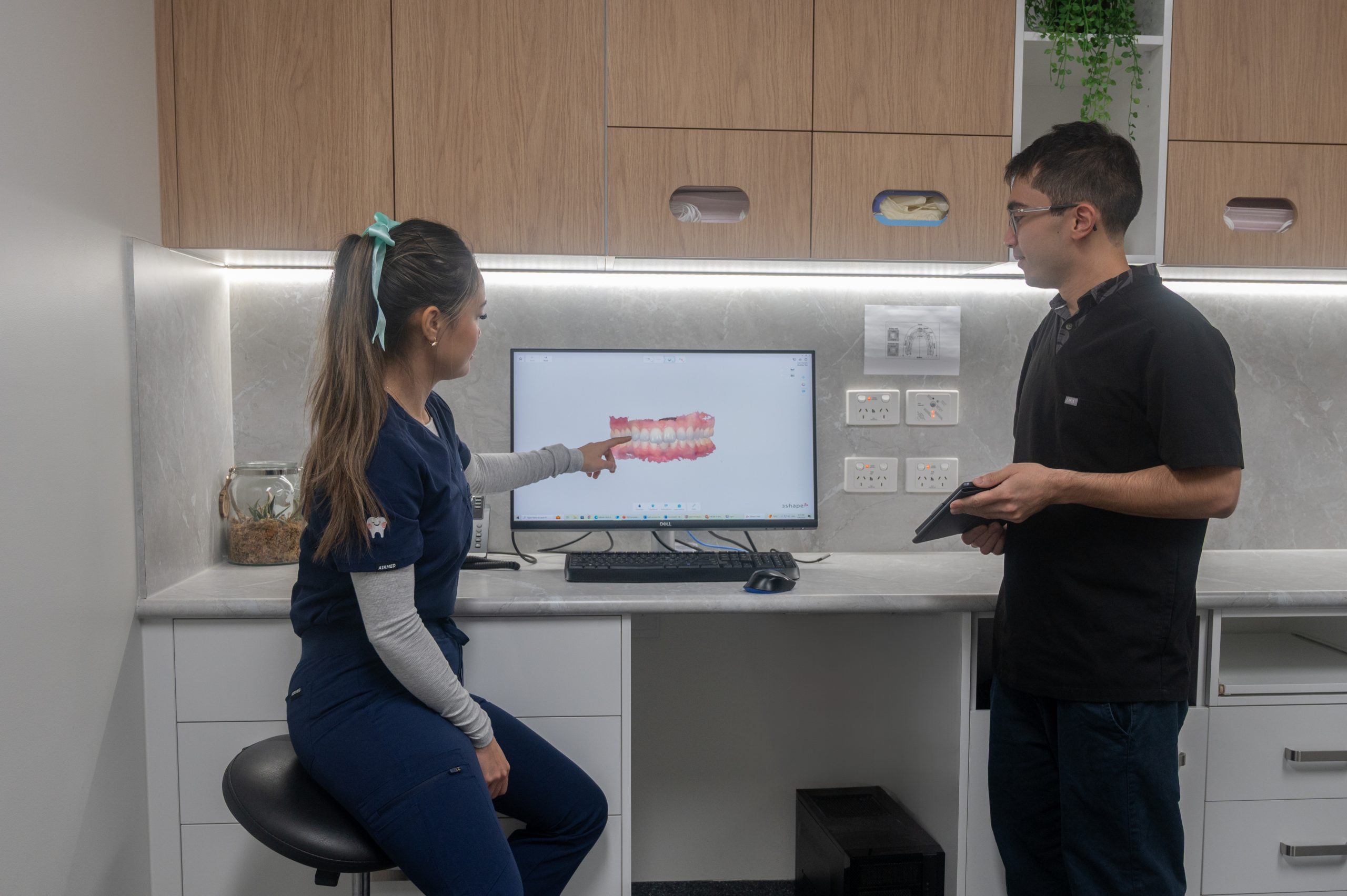
The first step in managing your wisdom teeth is a thorough assessment. During your consultation, we will carefully evaluate the current state of your wisdom teeth, considering their position, stage of development, and the likelihood of them causing future problems. This evaluation involves a clinical examination of your mouth and is often supplemented by specialised dental imaging.
In many instances, early removal of wisdom teeth is recommended as a proactive measure. Removing wisdom teeth before their roots are fully formed and before they cause significant problems can often lead to a simpler procedure and a quicker, more comfortable recovery. This preventative approach can help you avoid future pain, infection, and damage to neighbouring teeth or jawbone. We will discuss all findings with you, explain your options clearly, and recommend the best course of action tailored to your individual circumstances and long-term oral health.
Advanced Imaging for Precise Diagnosis
To gain a complete understanding of your wisdom teeth and their relationship to surrounding structures, we typically require detailed imaging:
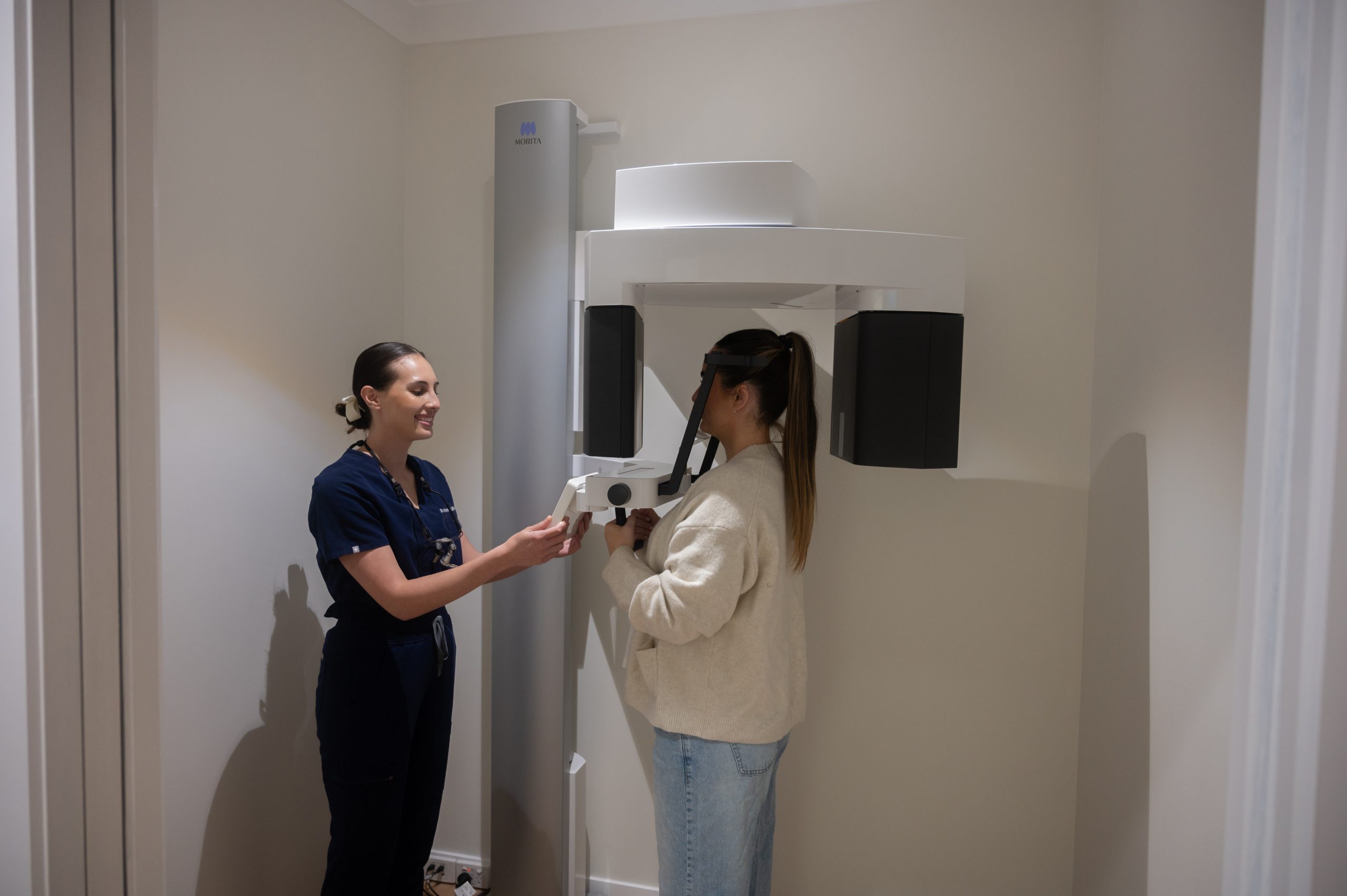
- OPG (Orthopantomogram): In most cases, we will begin by taking a full mouth panoramic x-ray, known as an OPG. This specialised x-ray provides a broad overview of your entire jaw, including the position of all your teeth, particularly the wisdom teeth located at the very back of your mouth. It helps us assess their angulation, degree of impaction, and general relationship to your jawbone.
- CBCT (Cone Beam Computed Tomography): The lower jawbone contains important sensory nerves (primarily the inferior alveolar nerve) that provide feeling to your lower lip, chin, and teeth. Sometimes, the roots of lower wisdom teeth can develop in very close proximity to these nerves, or even be intertwined with them. If the OPG suggests a close relationship between the wisdom tooth roots and these nerves, or if we need a more detailed three-dimensional view for complex cases, we may recommend a CBCT scan. This special kind of 3D x-ray provides highly detailed, cross-sectional images, allowing us to see with exceptional clarity the precise proximity of the roots to the nerve. This advanced imaging is crucial for accurate risk assessment and meticulous surgical planning to minimise the potential for nerve irritation or damage during extraction.
Referral for Complex Cases: Prioritising Your Safety
Your safety and the optimal outcome of your treatment are our highest priorities. While our skilled dentists are experienced in performing many wisdom tooth extractions, there are situations where the complexity or potential risks warrant specialist care.
For more challenging cases – such as deeply impacted teeth, roots that are significantly entangled with nerves, or patients with certain medical conditions – we will strongly recommend that you see a specialist Oral Surgeon. Oral Surgeons have undertaken extensive additional hospital-based surgical training beyond general dentistry. They possess specialised equipment and have vast experience in managing the most complex extraction cases, including those with a higher risk of complications. Their expertise ensures you receive the highest level of surgical care in these demanding situations.
We are fortunate to have established relationships with highly respected local Oral Surgeons who service the Rockhampton and Central Queensland region:
- CQ Oral Surgery: https://www.oralsurgery.net.au/
- MIC – Maxillofacial and Implant Centre: https://www.micqld.com.au/
- Dr Trent Lincoln – Maxillofacial Surgeon: https://www.mater.org.au/health-services/our-specialists/dr-trent-lincoln
We will facilitate the referral process to ensure a seamless transition of care if specialist treatment is deemed the most appropriate option for you.