Understanding Sleep Apnoea: More Than Just Snoring
Sleep apnoea is a common yet serious sleep disorder characterised by repeated interruptions in breathing throughout the night. The most prevalent type, Obstructive Sleep Apnoea (OSA), occurs when the airway becomes partially or completely blocked, often because the tongue and soft tissues in the throat relax and collapse backward. These pauses in breathing, known as apnoeas (complete cessation) or hypopnoeas (partial reduction), can last from a few seconds to over a minute and may occur hundreds of times each night.
Each time breathing stops, your brain briefly rouses you to reopen your airway, though you may not be aware of these awakenings. This fragmented sleep prevents you from reaching the deeper, restorative stages of sleep. More critically, these episodes lead to drops in blood oxygen levels. Consistent, adequate oxygen delivery is absolutely vital for every cell and organ in your body to function correctly and for you to feel genuinely refreshed and energised after a night’s sleep. Untreated sleep apnoea can significantly impact your quality of life and lead to a cascade of serious health problems, including persistent daytime fatigue, impaired concentration, morning headaches, high blood pressure, and an increased risk of developing heart disease, stroke, type 2 diabetes, and mood disorders like depression.
The Path to Diagnosis and Understanding Your Options
If you or your partner suspect you might have sleep apnoea (perhaps due to loud snoring, witnessed pauses in breathing, or persistent tiredness), the first crucial step is a proper diagnosis. While we at Bolsover Dental Practice can play a key role in treatment, a formal diagnosis must come from a medical professional.
- Consult Your GP or a Sleep Specialist: We strongly recommend you begin by discussing your symptoms with your General Practitioner. They can assess your overall health, risk factors, and may refer you to a sleep specialist or directly for a professional sleep study (polysomnography).
- The Sleep Study (Polysomnography): This is the gold standard for diagnosing sleep apnoea. It can be done in a sleep lab or sometimes with a home sleep testing unit. The study monitors various physiological functions during sleep, including breathing patterns, oxygen levels, heart rate, brain activity, and body movements.
Analysing the Results & Diagnosis: Once your sleep study is complete, a sleep physician will analyse the results to determine if you have sleep apnoea and its severity – typically classified as mild, moderate, or severe based on the number of apnoea/hypopnoea events per hour (Apnoea-Hypopnoea Index or AHI).
Treatment Options: Finding the Right Fit for You
Based on your diagnosis, various treatment options will be discussed:
- CPAP (Continuous Positive Airway Pressure): For individuals diagnosed with severe sleep apnoea, CPAP therapy is generally considered the most effective treatment and is usually the primary recommendation. This involves wearing a mask connected to a machine that delivers a constant stream of air to keep your airway open during sleep.
- Oral Appliance Therapy (OAT): For those diagnosed with mild or moderate sleep apnoea, or for individuals with severe OSA who cannot tolerate CPAP, oral appliance therapy offers a comfortable, effective, and non-invasive treatment alternative. This is where our expertise at Bolsover Dental Practice comes in.
Oral Appliance Therapy at Bolsover Dental Practice: A Customised Solution
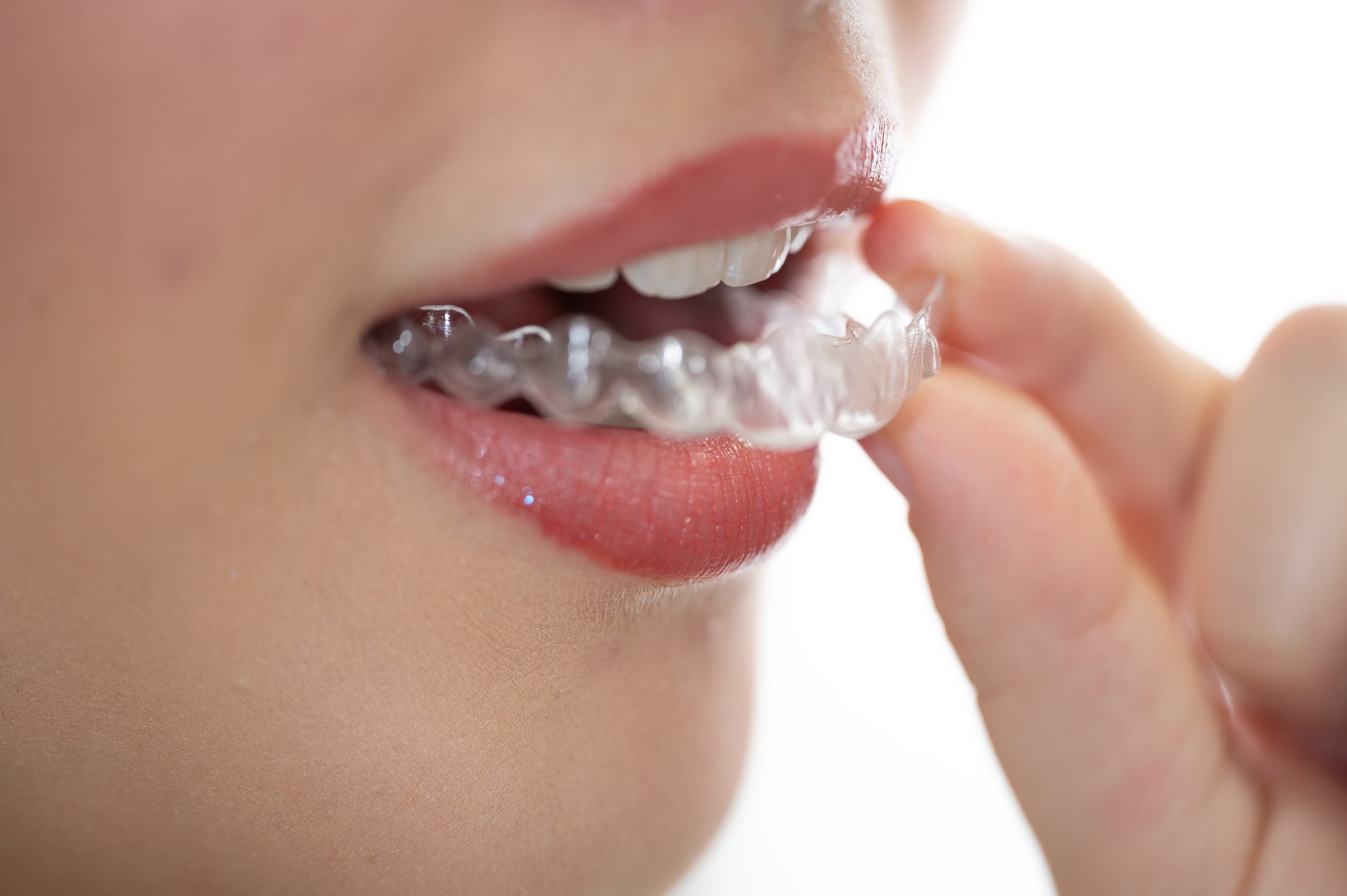
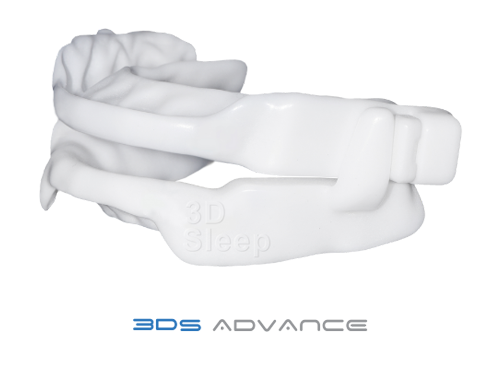
Our custom-fitted oral appliances, often Mandibular Advancement Splints (MAS) or Devices (MAD), are designed to gently reposition your lower jaw (mandible) slightly forward. This movement also brings the tongue forward, effectively opening up the airway at the back of your throat and preventing its collapse during sleep. This helps to reduce or eliminate snoring and, most importantly, significantly decreases the number of apnoeic events, leading to improved sleep quality and oxygen levels.
- Custom Design for Optimal Effectiveness and Comfort: Unlike over-the-counter devices, our oral appliances are precision-crafted specifically for your mouth.
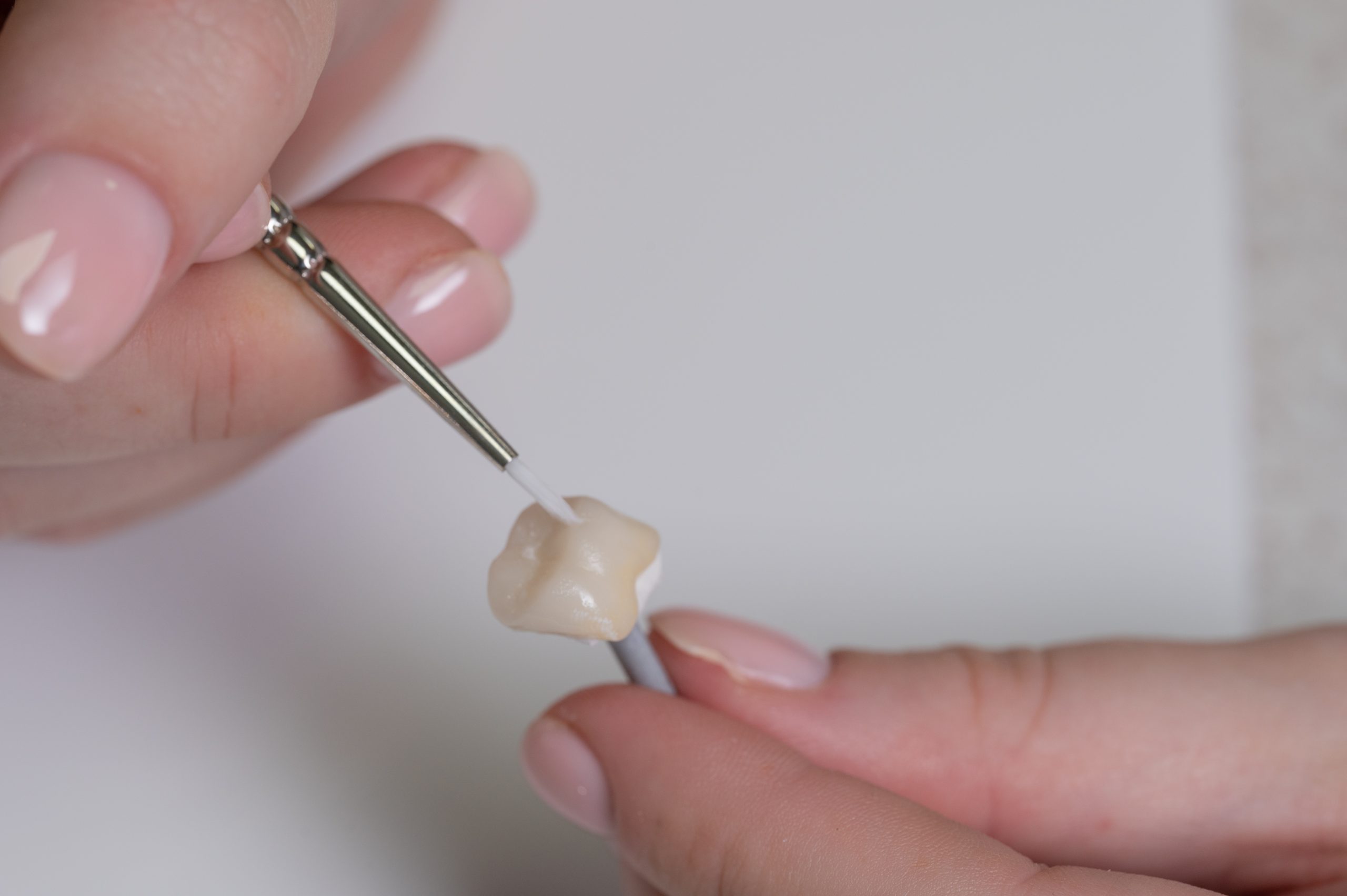
- We use an incredibly strong, durable, and biocompatible 3D printed nylon material for constructing these devices. This advanced material allows for a thinner, yet robust design, enhancing comfort without compromising strength.
- The MAS is designed in two separate parts, one fitting securely onto your upper teeth and the other onto your lower teeth.
- Special connecting tabs or mechanisms are incorporated, allowing for precise, incremental adjustments to the amount the lower jaw is advanced.
- The Fitting and Adjustment Process:
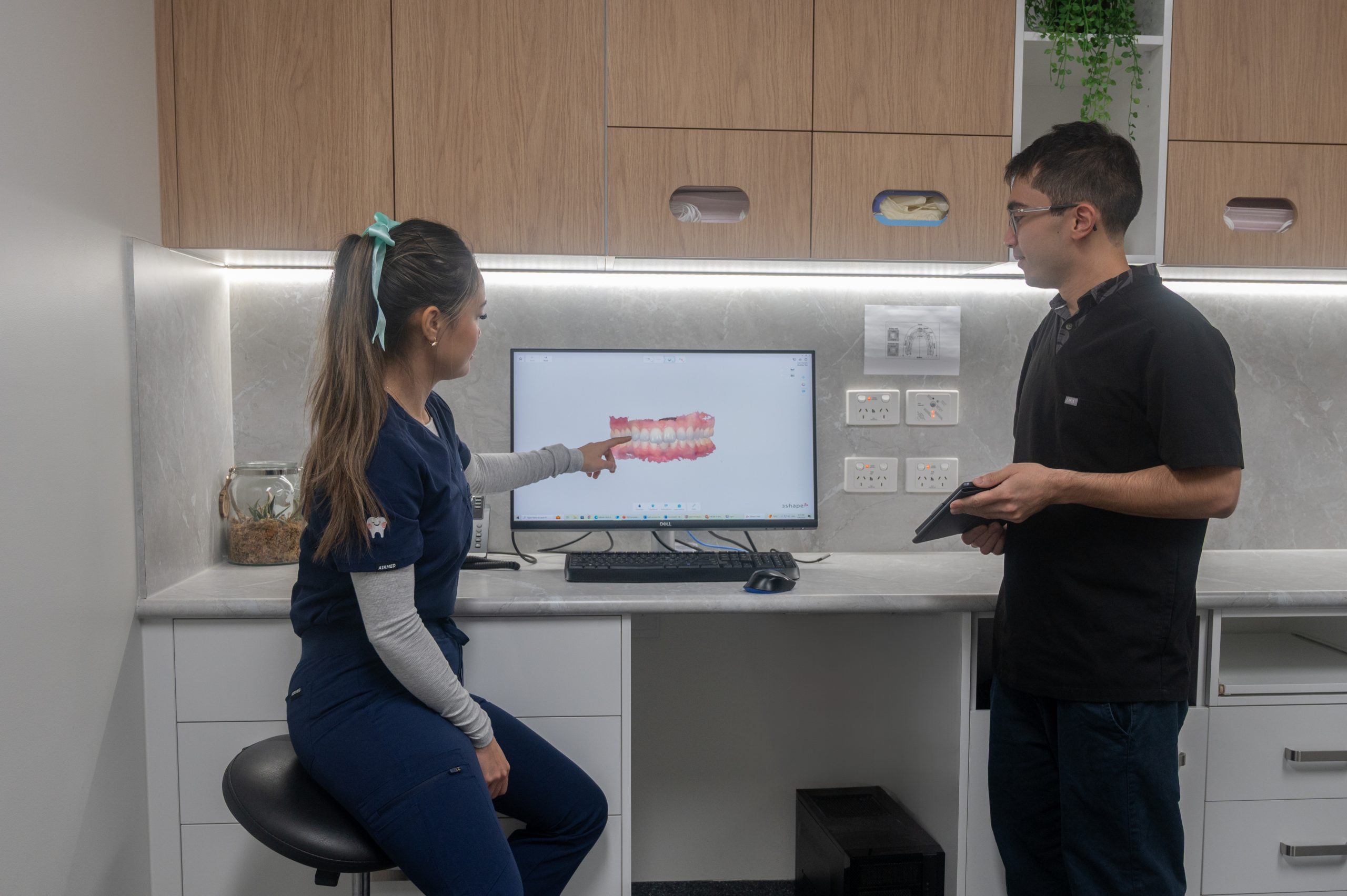
- After your initial consultation and confirmation that OAT is suitable for you, we take detailed impressions or digital scans of your teeth.
- Once your custom device is fabricated, we ensure a comfortable and accurate fit.
- Crucially, follow-up visits are included in the cost of the device. During these appointments, we work with you to gradually adjust the appliance, finding the optimal degree of forward movement for your lower jaw – the least amount of advancement necessary to achieve an open and unobstructed airway, thereby maximising comfort and treatment efficacy. Our goal is to ensure your appliance is both effective in treating your sleep apnoea and comfortable enough for consistent nightly use.
Oral appliance therapy is often preferred by patients who find CPAP machines cumbersome, noisy, or uncomfortable, or for those who travel frequently. It’s a discreet and convenient way to manage mild to moderate sleep apnoea effectively. Our dental team will carefully evaluate your specific condition, discuss the findings of your sleep study, and work closely with you and your medical practitioners to recommend and provide the most appropriate treatment for your individual needs.
Recognising the Signs: Could It Be Sleep Apnoea?
Sleep apnoea can manifest in various ways, and its symptoms often overlap with other conditions. Recognising these indicators is a crucial first step towards seeking diagnosis and treatment. Here are some common signs:
- Loud, Persistent Snoring: Often the most prominent symptom, especially if it’s disruptive to others or punctuated by silences.
- Witnessed Pauses in Breathing During Sleep: A bed partner may observe episodes where breathing stops, often followed by gasping, choking, or snorting sounds as breathing resumes.
- Excessive Daytime Sleepiness & Fatigue: Feeling overwhelmingly tired, struggling to stay awake during the day, or experiencing a persistent lack of energy, even after what seems like a full night’s sleep.
- Abrupt Awakenings with Shortness of Breath or Gasping: Waking up suddenly, feeling like you can’t breathe.
- Waking Up with a Dry Mouth, Sore Throat, or Headache: Often due to mouth breathing and oxygen deprivation during sleep apnoea episodes. Morning headaches can be a particularly telling sign.
- Difficulty Concentrating & Impaired Cognitive Function: Sleep apnoea significantly impacts sleep quality, leading to problems with focus, memory, attention span, and decision-making.
- Irritability, Mood Swings, or Symptoms of Depression/Anxiety: Chronic sleep deprivation and the physiological stress of sleep apnoea can significantly affect mood and emotional regulation.
- Frequent Nighttime Urination (Nocturia): The need to wake up multiple times during the night to urinate can be linked to changes in hormone levels and blood pressure fluctuations caused by sleep apnoea.
- Decreased Libido.
If you consistently experience several of these symptoms, it is essential to consult with your GP or a sleep specialist for a professional evaluation. Early diagnosis and treatment can dramatically improve your health, well-being, and overall quality of life.